
Balanced Diet for Men's Wellness
Discover the essential nutritional foundation every man needs to maintain optimal health, energy, and vitality throughout life.
Protein Balance
Lean proteins support muscle maintenance, recovery, and sustained energy levels. Include poultry, fish, legumes, and plant-based options daily.
Heart Health Nutrients
Omega-3 fatty acids, potassium, and fiber support cardiovascular function. Prioritize whole grains, fatty fish, and fresh vegetables.
Energy Management
Complex carbohydrates and B vitamins provide sustained energy for daily activities. Choose whole grains and nutrient-dense sources.
Bone & Joint Support
Calcium, magnesium, and vitamin D maintain bone density and joint function. Incorporate dairy products and mineral-rich foods regularly.
The information on this site is for educational purposes only and does not constitute medical advice. Always consult a qualified healthcare professional before making health decisions.
Understanding Your Nutritional Foundation
A balanced diet forms the cornerstone of men's wellness. Proper nutrition supports muscle development, mental clarity, hormonal balance, and overall vitality. Understanding your body's specific nutritional needs helps you make informed dietary choices that align with your lifestyle and goals.
Men require adequate amounts of key macronutrients and micronutrients to function optimally. This includes sufficient protein for muscle repair, healthy fats for hormone production, carbohydrates for sustained energy, and essential vitamins and minerals for metabolic processes.
- Daily hydration improves cognitive function and physical performance
- Balanced meals stabilize blood sugar and maintain steady energy
- Nutrient timing optimizes recovery and physical adaptation
- Whole food focus provides superior nutrient density and bioavailability
Five Steps to Optimal Wellness
Follow this practical roadmap to build sustainable nutritional habits that support your health goals.
Assess Your Intake
Track your current eating patterns and identify nutritional gaps. This self-awareness is essential for meaningful change.
Plan Your Meals
Create weekly meal plans that balance all macronutrients and include variety. Strategic planning reduces impulsive food choices.
Build Habits Gradually
Implement changes incrementally rather than overhaul. Small, sustainable modifications compound into lasting transformation.
Monitor Progress
Keep records of energy levels, physical performance, and how you feel. Data-driven insights guide ongoing adjustments.
Stay Consistent
Maintain your nutritional approach even when life gets busy. Consistency is the bridge between goals and lasting results.
Essential Nutrients for Men
Learn about the critical vitamins, minerals, and macronutrients that every man should prioritize for optimal health and performance.
Zinc
Supports immune function, hormone regulation, and tissue repair. Critical for protein synthesis and wound healing.
Sources: Oysters, beef, pumpkin seeds, chickpeas, cashews
Magnesium
Regulates muscle function, supports energy production, and promotes restful sleep. Essential for cardiovascular health.
Sources: Spinach, almonds, dark chocolate, pumpkin seeds, black beans
Vitamin D
Maintains bone health, supports immune response, and influences mood and cognitive function. Often deficient in modern lifestyles.
Sources: Salmon, egg yolks, mushrooms, fortified milk, sunlight exposure
B Vitamins Complex
Essential for energy metabolism, nervous system function, and red blood cell formation. Support stress resilience and mental clarity.
Sources: Whole grains, poultry, fish, eggs, legumes, leafy greens
Omega-3 Fatty Acids
Support cardiovascular health, reduce inflammation, and promote brain function. Vital for hormonal balance and cognitive performance.
Sources: Salmon, sardines, mackerel, flaxseeds, walnuts, chia seeds
Iron
Carries oxygen throughout the body and supports energy levels. Prevents fatigue and maintains physical performance capacity.
Sources: Red meat, poultry, lentils, spinach, fortified cereals, oysters

Practical Implementation Strategies
Building a balanced diet doesn't require perfection or extreme restrictions. Focus on simple, actionable strategies that fit into your daily routine and lifestyle. The most sustainable approach emphasizes whole foods, mindful portion control, and consistent habits rather than temporary dietary overhauls.
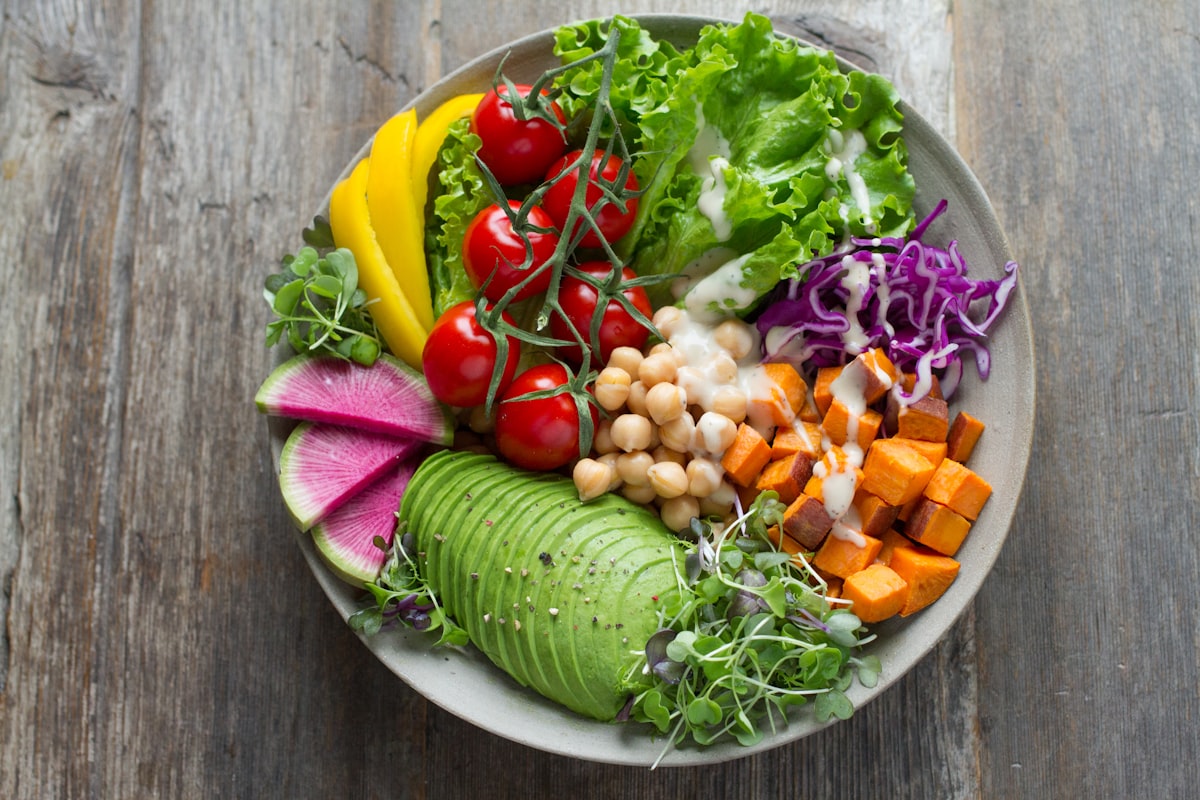
Start by filling half your plate with vegetables, one quarter with lean protein, and one quarter with complex carbohydrates. This simple visual guide makes portion balance intuitive and sustainable long-term.
Weekly Meal Preparation
Dedicate time on weekends to prepare proteins, grains, and vegetables for the week ahead, reducing decision fatigue.
Smart Shopping Lists
Purchase nutrient-dense whole foods rather than processed items. Focus on the outer perimeter of grocery stores.
Mindful Eating Practices
Eat without distractions, chew thoroughly, and listen to hunger cues to prevent overeating and improve digestion.
Hydration Focus
Drink adequate water throughout the day, especially before and after physical activity, to maintain performance.
Balanced Diet vs. Common Dietary Mistakes
Understanding the differences helps you make informed choices about your nutritional approach.
Balanced Diet Approach
- Variety of foods ensures complete nutrient profile
- Sustainable habits that last years and decades
- Stable energy levels throughout the day
- Better digestion and nutrient absorption
- Improved mental clarity and focus
- Flexible framework that adapts to lifestyle
Common Dietary Mistakes
- Skipping meals leads to poor food choices later
- Relying on processed foods lacking real nutrition
- Extreme restrictions that become impossible to maintain
- Inadequate hydration affecting cognitive and physical function
- Ignoring portion control leading to overconsumption
- All-or-nothing mentality sabotaging long-term progress
Common Questions About Men's Diet
Find answers to questions that often come up when building a balanced nutritional approach.
How much protein does a man need daily?
General recommendations suggest 0.8 grams per kilogram of body weight for sedentary individuals. Physically active men may benefit from 1.2 to 2.0 grams per kilogram, depending on exercise intensity and goals. Spread protein intake across multiple meals for optimal absorption and muscle synthesis.
Is it necessary to count calories?
Calorie awareness is helpful but not always necessary. Focusing on whole foods, adequate protein, and portion control often naturally maintains appropriate intake without obsessive tracking. Some individuals benefit from initial tracking to develop awareness, then transition to intuitive eating based on hunger cues.
Can a balanced diet support muscle development?
Absolutely. Combined with resistance training, adequate protein intake (1.6-2.2g per kg body weight), and proper caloric surplus supports muscle growth. Include nutrient-dense foods, prioritize recovery nutrition post-exercise, and maintain consistency in both diet and training.
How often should meals be eaten?
Meal frequency matters less than total daily intake. Three balanced meals daily works well for most men, though some prefer four to five smaller meals. Eat based on hunger cues and your schedule rather than following rigid meal frequency rules.
What about supplements versus whole foods?
Whole foods should form the foundation of nutrition, providing not just nutrients but also fiber and beneficial compounds. Supplements address specific deficiencies (like vitamin D) but cannot fully replace whole foods. Use supplements to complement, not replace, a balanced diet.
How quickly do dietary changes show results?
Energy and digestive improvements often appear within days to one week. Physical changes and metabolic adaptations typically become noticeable within four to twelve weeks. Long-term consistency matters more than rapid results; sustainable improvements develop gradually over months and years.
Real Success Stories
Men from across Indonesia share how implementing a balanced diet transformed their health and energy.

Budi Santoso
Jakarta, Indonesia
"After 3 months following the nutrition guidelines, my energy levels skyrocketed. I lost significant weight and feel stronger than ever. The meal plans are practical and delicious!"

Ricky Wijaya
Surabaya, Indonesia
"The personalized nutrition plans helped me manage my cholesterol levels naturally. Doctor was impressed with my lab results. Highly recommended!"

Ahmad Pratama
Bandung, Indonesia
"Improved sleep quality and mental clarity are the biggest wins. The balanced nutrition approach is sustainable and fits my busy lifestyle perfectly."
Frequently Asked Questions
Everything you need to know about nutrition for modern men
Men over 40 benefit from a balanced diet rich in lean proteins, whole grains, and omega-3 fatty acids. This helps maintain muscle mass, supports heart health, and improves energy levels. Reducing processed foods and sugar is especially important at this stage.
The general recommendation is 8-10 glasses (2-2.5 liters) per day, though this varies based on activity level and climate. Men with active lifestyles may need more. Listen to your body and drink when thirsty, but don't wait until you're parched.
Absolutely! A balanced diet with adequate protein (1.6-2.2g per kg of body weight), regular strength training, and proper rest are the fundamentals. While supplements can help, whole foods like chicken, fish, eggs, legumes, and yogurt provide excellent nutrition.
Meal prep is your best friend! Dedicate 2-3 hours on weekends to prepare healthy meals for the week. Choose simple recipes with whole ingredients, use batch cooking techniques, and store portions in containers. This ensures you always have nutritious options ready.
Limit processed foods, excessive sugar, refined carbohydrates, and unhealthy fats (trans fats and excess saturated fats). Reduce salt intake and sugary beverages. Instead, focus on whole foods: vegetables, fruits, lean proteins, whole grains, nuts, and healthy oils.
Start Your Transformation Today
Join thousands of Indonesian men who've improved their health through balanced nutrition. Get personalized nutrition guidance and proven strategies tailored for your lifestyle.
100% Free • No Credit Card Required • Privacy Guaranteed
Nutritionformentodayhub
Empowering modern Indonesian men with evidence-based nutrition guidance and practical health solutions.
Quick Links
Support
© 2024 Nutritionformentodayhub. All rights reserved. Empowering Men's Health Through Nutrition.